Gibson vs Fender: Which Guitar Is Right for You?
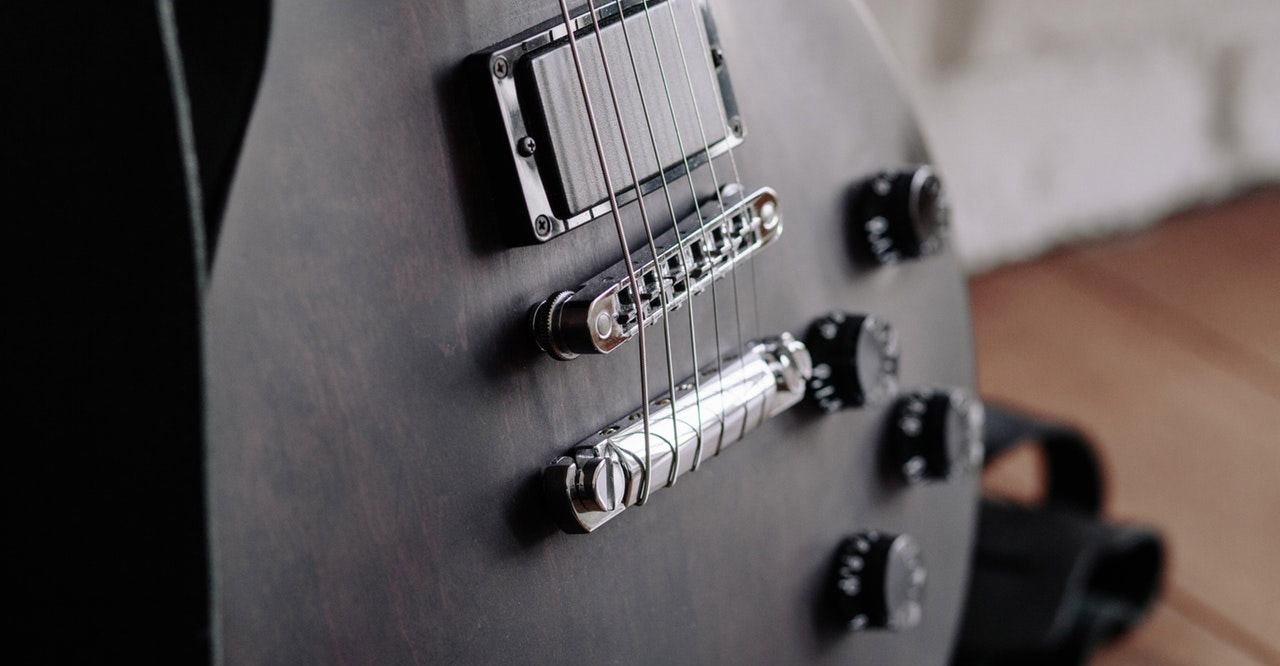
Few debates in music are as enduring as Gibson vs Fender.
Both brands have shaped the sound of modern music, and both continue to define what a great electric guitar can be.
Rather than asking which is better, the real question is: which one fits your sound, your playing style, and your musical direction?
Gibson
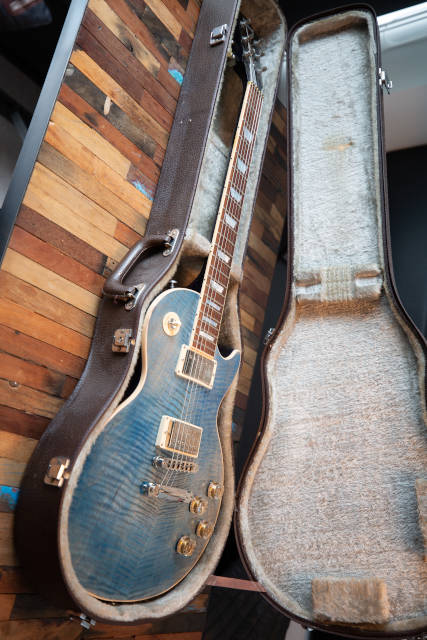
Founded in 1902, Gibson has built a reputation on craftsmanship, innovation, and a distinct tonal identity.
Models like the Les Paul and SG are known for their warmth, sustain, and powerful midrange.
Typically built with mahogany bodies and fitted with humbuckers, Gibson guitars deliver a thicker, more saturated sound.
They are often associated with rock, blues, and heavier styles, but their versatility extends well beyond that.
Fender

Fender revolutionized guitar design in the 1950s with the introduction of solid-body instruments like the Telecaster and Stratocaster.
Known for their clarity and articulation, Fender guitars typically use alder or ash bodies paired with single-coil pickups.
The result is a brighter, more defined tone — often described as “chimey” or “snappy.”
They are widely used in pop, funk, blues, country, and many modern genres.
Key Differences
Body and Tone
Gibson guitars are generally heavier, with more mass and a warmer tonal character.
Fender guitars are typically lighter, offering a more balanced and articulate sound.
Scale Length
Fender’s longer scale length (25.5") provides more tension and a brighter response.
Gibson’s shorter scale (24.75") results in a looser feel and a thicker tone.
Pickups
Gibson commonly uses humbuckers, delivering higher output and reduced noise.
Fender’s single-coil pickups offer clarity and detail, though with more susceptibility to interference.
Playability
Neck profiles and fingerboard radius differ between the two brands, affecting comfort and technique.
The best choice ultimately comes down to personal preference.
Which One Should You Choose?
There is no definitive answer.
If you’re looking for warmth, sustain, and a fuller tone, Gibson may be the right choice.
If you prefer clarity, brightness, and dynamic response, Fender might suit you better.
Both instruments are used across all genres — far beyond their traditional associations.
Final Thoughts
Guitars are tools for expression.
What matters most is how the instrument feels in your hands and how it responds to your playing.
At Studio Evermore, both Gibson and Fender guitars are part of the recording process — each bringing its own character to a session.
The right choice is simply the one that inspires you to play.