Studio Evermore - Blog

Producer vs Audio Engineer: Understanding the Difference
When artists step into a recording studio, they often hear two roles mentioned: the audio engineer and the music producer. Both are essential in the process of creating a professional recording, but they focus on very different parts of making a song.
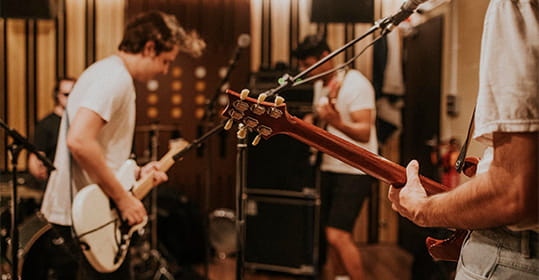
What to Expect When Booking a Session
If you're planning to book a recording studio, you're likely preparing an important project — whether it's a single, an EP, or a full album.
For many artists, the biggest unknown isn’t the music — it’s the process. What actually happens during a session? How should you prepare? And how do you make the most of your time?
Why Acoustics Matter in Music Production
When it comes to recording music, one of the most important factors is often the least visible: acoustics.
Beyond equipment and performance, it’s the behavior of sound within a space that ultimately defines the quality of a recording.
At Studio Evermore, our recording environment in France is built around this principle — where precision acoustic design meets world-class equipment.
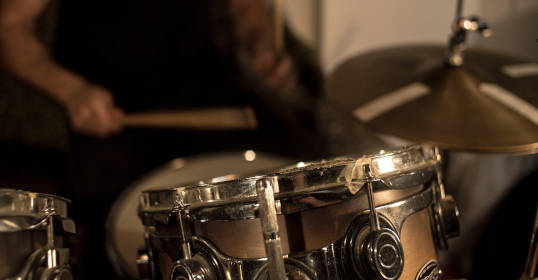
How to Improve Your Drum Sound Before a Studio Session
The quality of a drum recording comes down to two things: the drummer and the drum kit.
While performance is key, the sound of the kit itself is something you can control — and it makes a significant difference once microphones are involved.
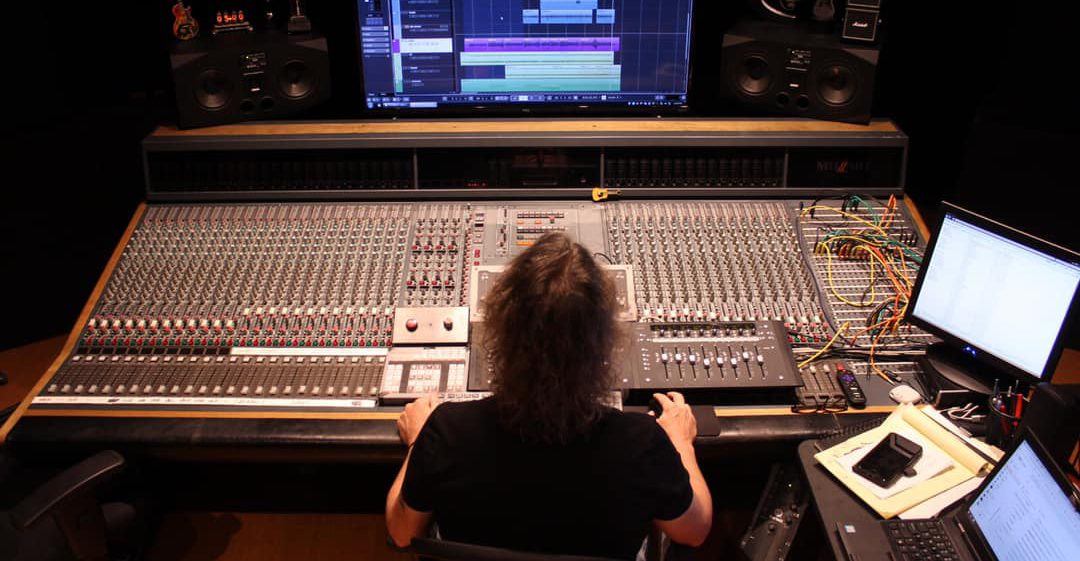
Why Work in a Professional Recording Studio?
Today, recording music has never been more accessible.
With modern software and affordable equipment, artists can capture ideas from anywhere — even a phone.
But when it comes to achieving a professional, release-ready sound, the environment you work in still matters
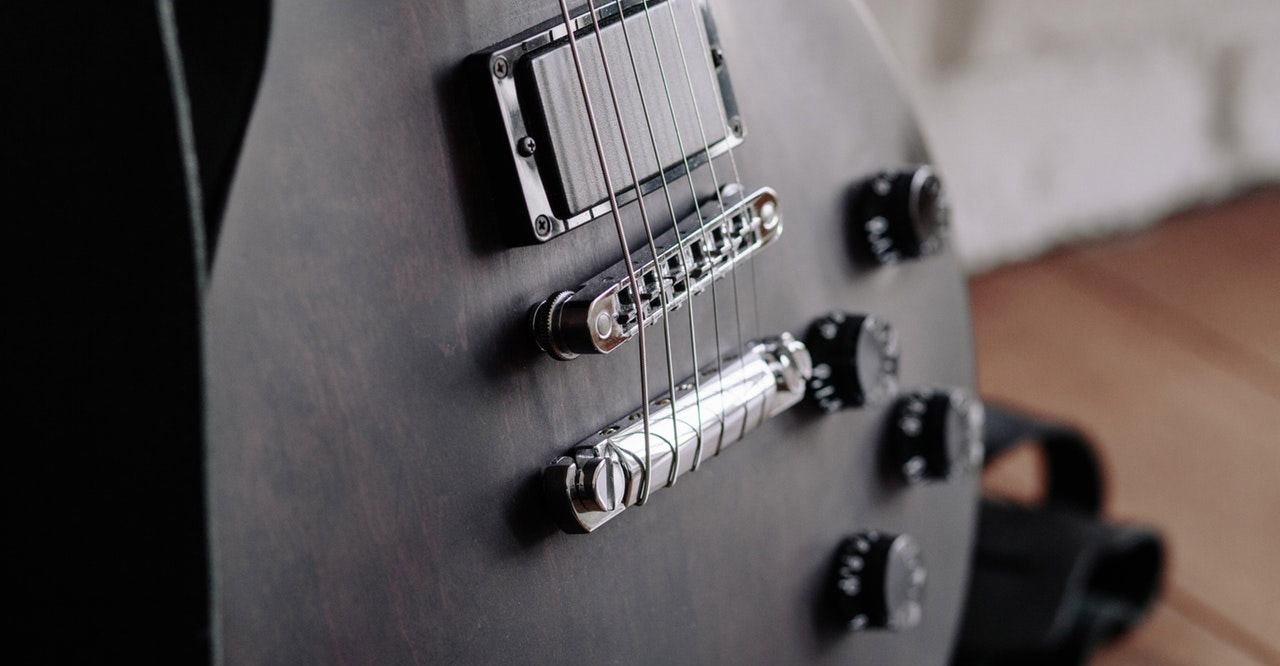
Gibson vs Fender: Which Guitar Is Right for You?
Few debates in music are as enduring as Gibson vs Fender.
Both brands have shaped the sound of modern music, and both continue to define what a great electric guitar can be.
Rather than asking which is better, the real question is: which one fits your sound, your playing style, and your musical direction?
Preparing for a Studio Recording Session: A Complete Guide
Whether this is your first time in a professional studio or you’ve been through the process before, recording can feel intense—and sometimes intimidating.
That said, the right preparation makes a significant difference. Walking into the studio confident, organized, and ready will directly impact the quality of your final recording.

Music Promotion Guide: How to Grow Your Audience
You’ve created the music.
You’ve invested in professional recordings.
Now comes the real challenge: getting people to hear it.
In 2026, music promotion is a mix of digital strategy and real-world connection. Social media plays a major role—but it’s only part of the equation.
Top Recording Session Tips for Artists
After spending long hours writing, rehearsing, and refining your songs, there comes a moment when you are ready to capture them properly in a professional environment.
That moment is the recording session.
Working in a professional studio is not just about recording sound. It is about shaping performances, making strong creative decisions, and getting the best possible result from your time and budget.
Mixing and Mastering Explained
Mixing and mastering are often misunderstood—even by experienced musicians.
Some assume that issues in a mix can be “fixed later” during mastering, while others underestimate the importance of mastering altogether.
In reality, these are two distinct stages, each playing a critical role in achieving a professional final result.
Essential Audio Plugins for Music Producers
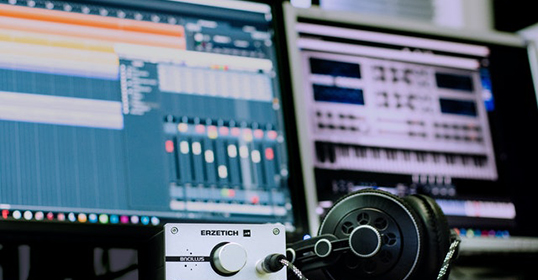
Digital plugins have become a ubiquitous tool in modern music production. It is becoming extremely rare to find a recording studio that relies solely on analog outboard gear.
Many of today’s best studios, including Studio Evermore, combine analog equipment with digital production tools.

Music Pre-Production: Setting Your Project Up for Success
The big day has finally arrived. You and your band are ready to begin recording your new project.
There’s excitement in the control room as gear is set up, the engineer positions microphones, and the first sounds begin to take shape.
Stems vs Multitracks: What’s the Difference?
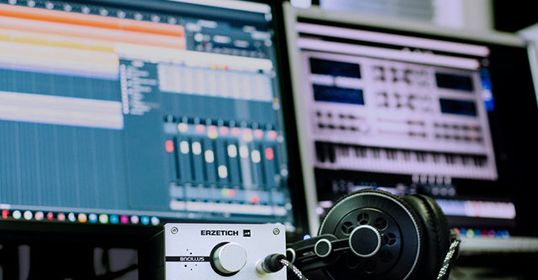
Understanding the different terminology used in the recording industry is a foundational aspect to building a career as a recording, mixing, or mastering engineer, producer, or studio musician. With the proliferation of home recording gear, nearly everyone who wants to can access creative music-making tools.
Why Artists Choose Professional Recording Studios
When you're serious about your music, every detail matters.
Whether you're a solo artist, a band, or a producer, the environment you record in plays a major role in the final result.
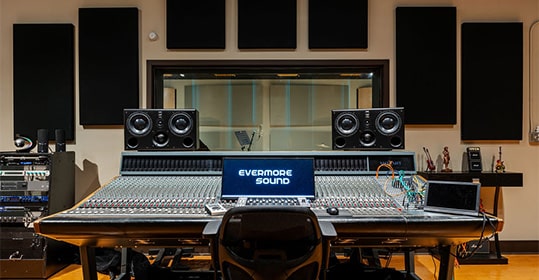
While home studios have come a long way, they still can't fully replace the sound quality, expertise, and workflow of a professional recording studio.
How to Release an Album: A Step-by-Step Guide
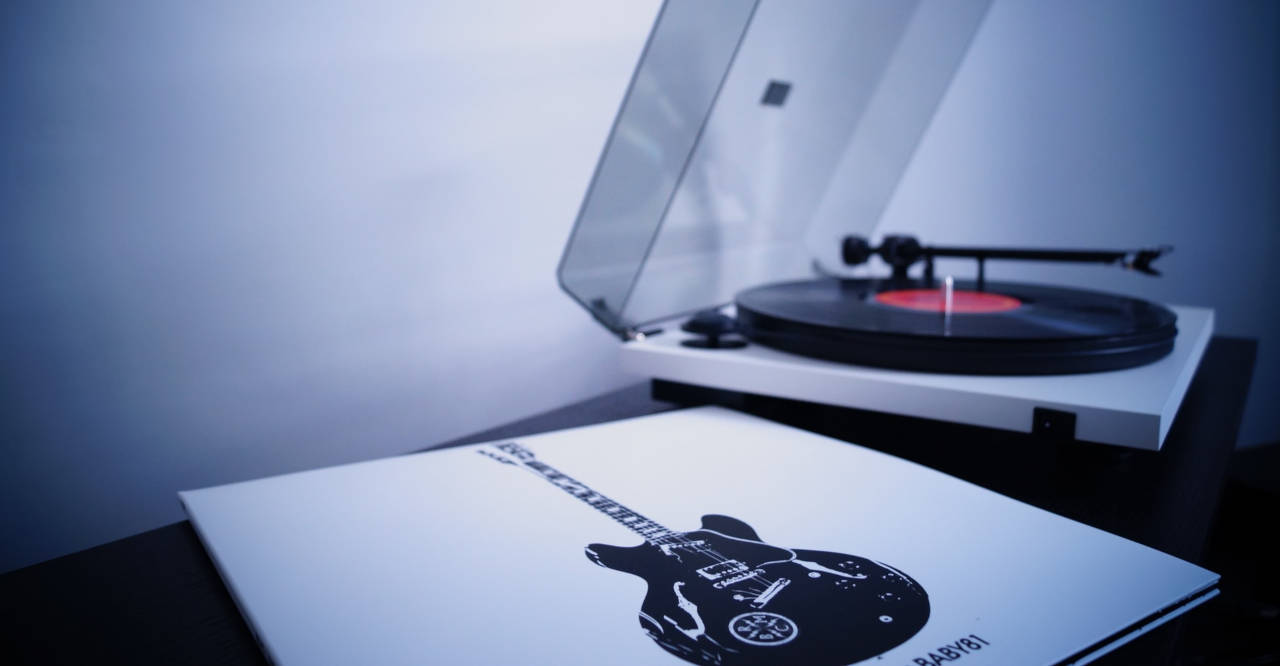
Creating an album takes real work. After weeks, months, or even years spent writing, recording, and refining your music in the studio, you quickly realize the release is a major project of its own. Still, that moment can be one of the most rewarding parts of the entire process.