How to Release an Album: A Step-by-Step Guide

Creating an album takes real work. After weeks, months, or even years spent writing, recording, and refining your music in the studio, you quickly realize the release is a major project of its own. Still, that moment can be one of the most rewarding parts of the entire process.
Whether you're putting out an album, EP, single, mixtape, or cover song, a release is more than just posting a link online. It is your opportunity to present your music properly and give it the attention it deserves. This guide walks through the key steps that help make a release feel organized, professional, and effective.
To give your music the best possible start, it helps to avoid last-minute confusion and prepare everything carefully in advance. That means taking care of the important details, from artwork and metadata to formats, distribution, and legal considerations.
Once the essentials are in place, the release process becomes much smoother and far more enjoyable. Below, we cover what to prepare, when to do it, and how to move forward with confidence.
This guide is especially useful if you want to set up your release for smart digital distribution, which is essential for artists today.
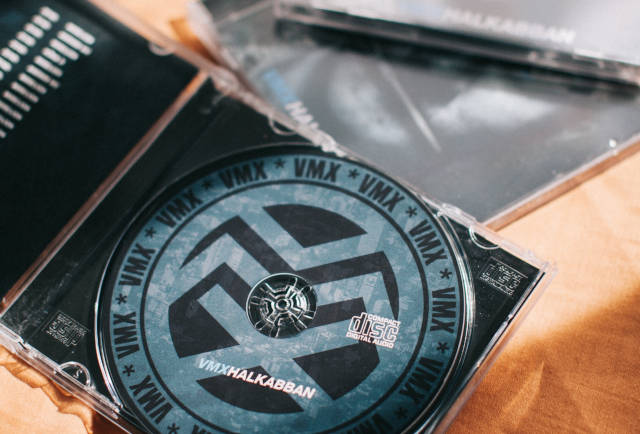
How to Release an Album in Ten Steps
We’ve put together this release checklist to help make sharing your music feel far more manageable. These practical steps can help you prepare your next project in a way that gives it the strongest possible start with listeners around the world.
1. Create Strong Album Artwork
Even though physical packaging matters less than it once did, album artwork remains an essential part of a release. It is often the first visual impression people have of your music, and it plays a major role in how your project is perceived.
Some people may tell you artwork is not that important, but it still matters. Your music is art, and the image attached to it should reflect that. Choosing the right cover is one of the clearest ways to visually represent the tone and identity of your release.

How to Find the Right Album Art
Taking the time to choose the right image is worth it. A thoughtful approach is much more likely to produce artwork that feels connected to the music than simply selecting something quickly.
You may want to collaborate with an illustrator, photographer, or visual artist whose work matches your sound and aesthetic. That can also create opportunities for cross-promotion. The best album art is not about following trends. It is about finding something that feels true to both the record and the artist behind it.
Of course, you can also create your own cover if you have a concept that captures what the music is about.
How Much Should You Spend on Album Art?
The budget can vary widely. Some artists invest in custom illustrations, photography, or
design sessions, while others use simpler solutions such as stock imagery. There is no
single correct price point. What matters most is that the final image feels intentional
and supports the release well.

7 Keys to a Proper Album Art Format
A strong image also needs to meet the right technical requirements. Digital music platforms have specific standards, but these guidelines are generally safe across the board:
Use a square image.
For the sharpest results, make sure the image is at least 3000 x 3000 pixels.
Your image should be 72 dpi.
Use PNG or JPG format.
Do not include URLs on the artwork.
Do not include social media logos or other brand references.
Even if the music is provocative, avoid explicit or pornographic imagery.
Once your artwork is ready, you can move on to the rest of the release setup.
2. Choose Your Track Titles and Finalize Them
Your song titles matter more than many artists realize. They help listeners identify your music, and they also play an important role in metadata, searchability, and digital distribution.
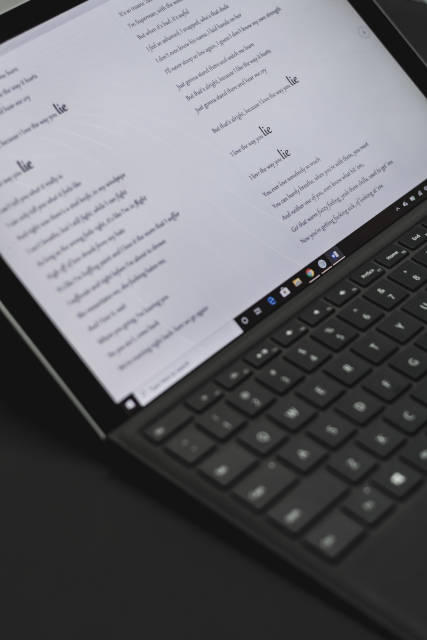
Avoid adding unnecessary information to track titles. This includes:
Release date
Release format such as album or EP
Search terms such as genre keywords
Before submitting your release, make sure to:
Run a spellcheck on every title.
Enter each track name exactly as you want it to appear on streaming platforms.
Keep formatting consistent across the entire release.
Avoid generic names such as “Track 1,” “Track 2,” or “Untitled.”
Once everything is set, review all titles again before release. Corrections after distribution can be frustrating and may create unnecessary delays. A good rule is: check twice, release once.
Accurate track titles now can prevent confusion later.
3. Choose Your Project Title and Finalize It
Does your single, EP, or album already have a title? This can be surprisingly difficult, because it is usually a one-time decision. A good approach is to find a title that comes from the same creative world as the music itself.
You might pull from your lyrics, themes, imagery, or even a phrase that reflects the mood of the release. Whatever you choose, make sure it feels connected to the record.
Title Formatting
Once the title is chosen, format it properly for digital distribution. Online stores have their own style guidelines, so it helps to make sure your project title is clean, clear, and platform-ready.

On streaming services, every title appears in a standard font and layout, so your wording itself carries the identity. You may not control the typography, but you do control the title people see.
4. Choose the Right Genres and Subgenres
Genres are not just labels. They are part of how listeners discover music. Genre and subgenre tags help place your release in the right categories and improve how easily it can be found online.
Good genre metadata can also support playlist placement, recommendations, and search visibility. If someone is building or browsing a genre-specific playlist, accurate tagging gives your music a better chance of showing up in the right context.
A few useful principles:
Do not choose a joke genre
Choosing an inaccurate genre may do more harm than good. Streaming platform algorithms use these tags to determine where your music appears and who may hear it.
You can still be creative in your branding, but your genre should help people find the music rather than confuse them.

Use subgenres wisely
Subgenres can help you connect with more specific audiences. Research your options and use the tags that best reflect both your sound and the listeners you want to reach.
5. Handle Collaborator Credits Properly
Collaboration can elevate a release in a major way. If your project includes guest musicians, featured artists, producers, or other contributors, make sure expectations and credits are clear from the start.
Featured artists may contribute verses, lyrics, solos, arrangements, or full sections of a song. Discuss the details before the release goes live so there is no confusion later.
Making changes after release is possible, but it is far less simple. It is always better to confirm the details ahead of time and credit everyone appropriately.
Stay aligned with all collaborators and make sure everyone involved in the project is acknowledged properly.
6. Organize Your ISRC Codes
An ISRC is an International Standard Recording Code. It is the unique identifier attached to each recording and is used to track and manage releases across digital platforms.

Every unique recording should have an ISRC before distribution. Most digital distributors will assign one during the release process if needed.
If the same recording has already been released before, it should generally keep the same ISRC rather than being assigned a new one.
Keep careful records of your ISRC information. It helps prevent confusion and makes future releases or re-releases easier to manage.
7. Define Whether It Is a Single, EP, or Album
These categories can be more confusing than they seem, but they matter when it comes to promotion and presentation. You should know how your release will be classified before you start marketing it.
Promoting something as an album only for it to appear as an EP online can create confusion. Decide early what kind of release you are putting out and build your messaging around that.
If you are newer to releasing music, it is also worth making sure the project feels sonically consistent from track to track before you put it out.

In many cases, a release is considered a single if:
it has six tracks or fewer
it runs under 30 minutes
Longer releases are typically categorized as albums.
Different stores may apply slightly different definitions, so it is worth checking how your chosen distributor and platforms will display the release before you begin promoting it.
8. Define Your Target Territories
Digital stores and distribution services can make your music available in many countries, but it helps to know where your release is going and who it is for.
Understanding your audience geographically can help you make better promotional decisions and interpret streaming data more effectively once the release is live.

If there are territories where you do not want your music distributed, this is usually something to address during the setup stage before release.
9. Clear All Samples and Keep the Release Legal
One of the most important rules before release is simple: get permission if you use someone else’s material.
Unless the sample is genuinely royalty-free or properly licensed, using uncleared material can create serious problems later. It is always safer to release music built from original material or content you have explicit permission to use.
Some artists assume no one will notice, but the more successful a track becomes, the more likely it is that copyright issues will surface. If your song contains samples, make sure you understand the rights involved and resolve them before release.
Distributors may also remove a track if it contains problematic or unauthorized material, so handling this early is essential.
10. Use the Proper Audio File Formats
Finally, your release needs to meet the technical delivery standards expected by digital
platforms. In most cases, that means 44.1kHz, 16-bit WAV files.
This is still considered the standard for distribution. Compressed files such as MP3s may be convenient for sharing previews, but they are generally not the preferred delivery format for official release submission.
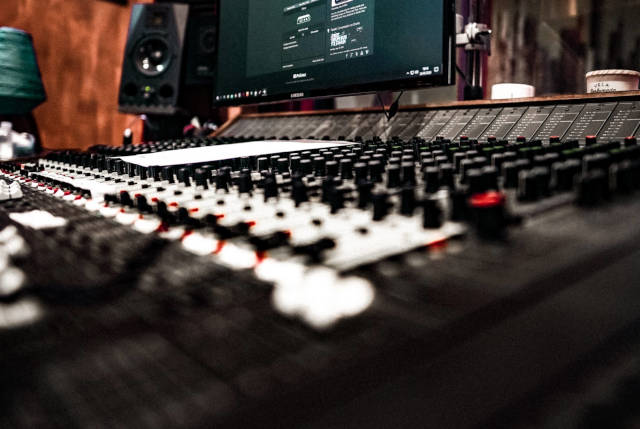
Your producer or engineer should export the final WAV files from the DAW in the studio,
making sure everything is properly prepared for mastering, distribution, and playback across
major platforms.
Get Your Release Ready
Finishing the music is a huge milestone, but releasing it properly is what allows people to actually hear it. That is the stage where all the planning, preparation, and presentation come together.
Releasing music involves a surprising number of details, especially for independent artists. Fortunately, these ten steps can help create a smoother process and give your project a more professional launch.
Keep making great music, and when the time comes to prepare your next release, make sure every detail is handled with care. If you need help bringing your music to life, feel free to get in touch with Studio Evermore.