Mixing and Mastering Explained

Mixing and mastering are often misunderstood—even by experienced musicians.
Some assume that issues in a mix can be “fixed later” during mastering, while others underestimate the importance of mastering altogether.
In reality, these are two distinct stages, each playing a critical role in achieving a professional final result.
Understanding the difference between them will help you make better decisions throughout your production process.
What Does a Mixing Engineer Do?
Mixing is the first stage of post-production, taking place after recording is complete.
The goal is to transform raw tracks into a cohesive and balanced piece of music.

You can think of mixing like cooking.
Your recorded tracks are the ingredients. On their own, they have value—but they don’t yet form a finished dish.
The mixing engineer is the chef, combining these elements into something unified, expressive, and balanced.
This is achieved using tools such as:
- EQ (equalization) to shape frequencies
- Compression to control dynamics
- Panning to create space in the stereo field
- Reverb and delay to add depth and dimension
The mixing stage defines clarity, impact, and emotional balance.
Depending on the project, this process can take hours or several days per track.
What Does a Mastering Engineer Do?
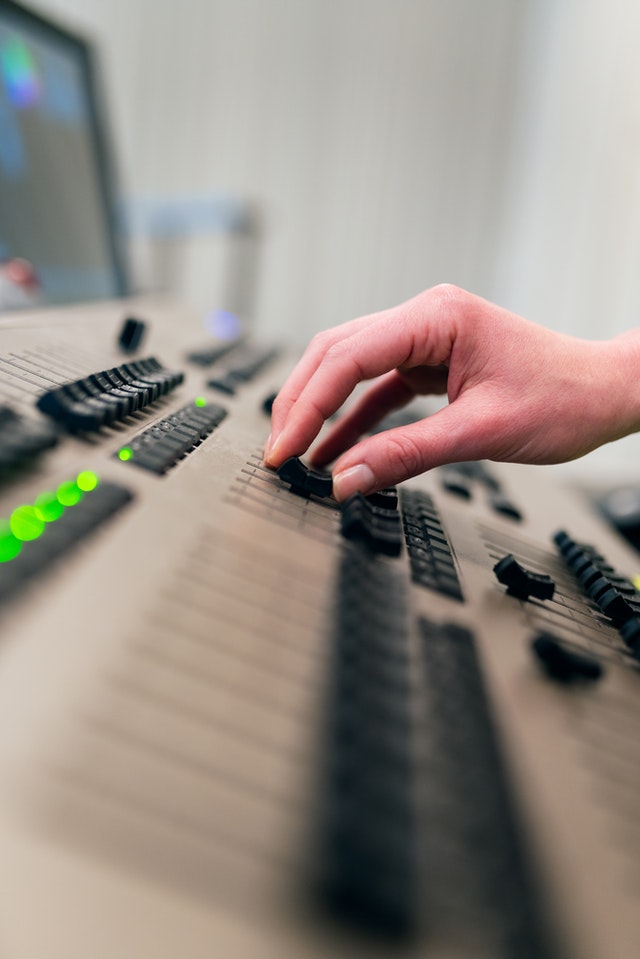
Mastering is the final stage before release.
Unlike mixing, it works on the stereo file—not individual tracks.
The mastering engineer focuses on:
- Overall tonal balance
- Consistent volume levels
- Cohesion across multiple songs
- Final spacing, fades, and sequencing
Mastering ensures that your music translates well across all playback systems—from headphones to large speakers.
It also prepares your tracks for distribution, including embedding technical metadata such as ISRC codes.
Key Differences in Workflow
The mixing engineer works with multitrack sessions and shapes the sound in detail.
The mastering engineer works with a finished stereo mix and refines it at a global level.
Mixing is creative and detailed.
Mastering is subtle but critical.
Tools and Approach

Mixing engineers use a wide range of tools across individual tracks.
Mastering engineers use similar tools but apply them to the entire mix.
A key mastering tool is the limiter, which increases overall loudness while preserving clarity.
This step ensures your music meets modern playback standards without distortion.
Why Both Stages Matter
A strong mix cannot compensate for poor mastering—and mastering cannot fix a weak mix.
Both stages are essential and complementary.
Mixing brings your music to life.
Mastering prepares it for the world.
Mixing and Mastering at Studio Evermore

At Studio Evermore, mixing and mastering are approached with precision and intention.
Each project is treated individually, with careful attention to tone, balance, and musical identity.
Our goal is not simply loudness or polish, but clarity, depth, and character.
Whether you are finalizing a single track or a full album, we ensure your music is ready for release at the highest standard.
Final Thoughts
Understanding the difference between mixing and mastering allows you to better plan your project and achieve stronger results.
Both stages are essential in transforming raw recordings into a professional, release-ready production.
Interested in working with us?
Get in touch to discuss your project.