Music Pre-Production: Setting Your Project Up for Success
Make Your Session a Success
The big day has finally arrived. You and your band are ready to begin recording your new project.
There’s excitement in the control room as gear is set up, the engineer positions microphones, and the first sounds begin to take shape.
But once you start recording, something feels off.
The groove isn’t quite right. The arrangement feels too long. Parts don’t sit together as expected.
Suddenly, hours are spent reworking what should have been a simple first take.
This is exactly what pre-production is designed to prevent.
What Is Pre-Production?
Pre-production is everything that happens before you step into the studio to record.
It includes preparing demos, refining arrangements, setting tempos, building click tracks, creating scratch recordings, and developing a clear sonic direction for each track.
In short, it is the foundation of a successful recording session.
Arriving at the studio fully prepared ensures a smoother, more efficient session—saving time, reducing stress, and allowing more room for creativity.
When preparation is solid, you are also better equipped to adapt quickly to creative ideas or unexpected challenges during recording.
Get Your Demos Right
Strong demos are one of the most valuable parts of pre-production.
With today’s accessible recording tools, creating high-quality demos is easier than ever.
Take the time to refine arrangements, experiment with structure, and define the overall direction of each song.
This work pays off significantly when it comes time to record the final version.
That said, remember that a demo is just a guide—not the final product.
Stay open to change and avoid becoming overly attached to early ideas.
Are Scratch Tracks Worth It?
Planning how you will record your songs is another key part of pre-production.
If recording live, consider how microphone bleed will affect your sound.
One effective approach is to record scratch tracks—temporary recordings that guide performance but will be replaced later.
This allows you to preserve the energy of a live performance while maintaining control over individual elements.
Having a clear recording plan saves valuable studio time and improves overall efficiency.
Practice With a Click
A click track can either support your performance—or expose weaknesses.
Take time to establish precise tempos and rehearse extensively with a metronome.
This ensures consistency and makes editing, overdubbing, and arrangement adjustments much easier later on.
Well-prepared tempo work can save significant time during production.
Build Your Mockups
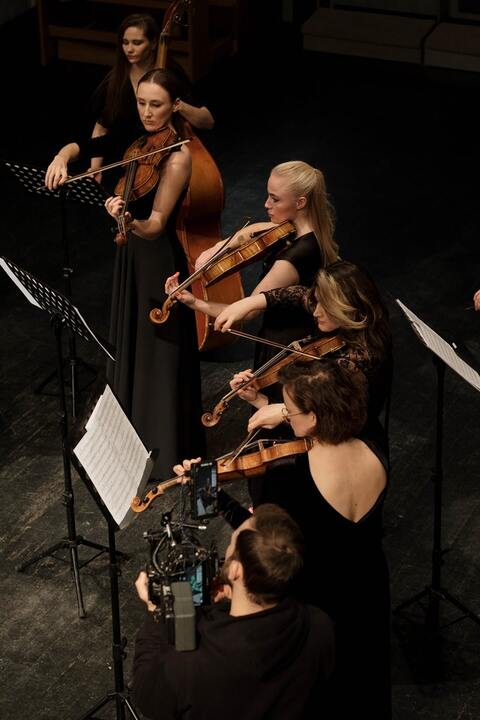
If your music includes additional instruments such as strings, horns, or choir, create MIDI mockups in advance.
This allows you to hear the full arrangement and communicate your ideas clearly to other musicians and the engineer.
Know Your Instruments
Your instruments are your tools—treat them accordingly.
Ensure everything is properly set up, tuned, and functioning before the session.
Small technical issues can quickly disrupt momentum in the studio.
Bring Reference Tracks
Reference tracks help define the sound you are aiming for.
They provide clarity for both you and the engineer and can be a valuable source of inspiration during the session.
Choose the Right Studio and Engineer
No amount of preparation can compensate for working with the wrong team.
Choose a studio and engineer who understand your vision and have the experience to bring it to life.
Stay Flexible
The studio environment can be intense.
The key to a successful session is preparation combined with adaptability.
If you arrive well-prepared, you will be able to handle challenges and make the most of your time.
Get in Touch
Studio Evermore offers professional recording, mixing, and production services in France.
From pre-production to final mastering, we help bring your creative vision to life with clarity and precision.
Contact us to start your next project.