Producer vs Audio Engineer: Understanding the Difference

When working in a professional recording studio, two roles often come up: the music producer and the audio engineer.
Both are essential to the recording process, but they serve very different purposes. Understanding how each contributes will help you make better decisions and get more out of your studio time.
What Does a Music Producer Do?

A music producer is responsible for the creative direction of a project.
They help shape the song, guide performances, and ensure the final result connects emotionally with listeners.
You can think of the producer as the creative lead of the session.
Typical responsibilities include:
- Refining song structure and arrangement
- Coaching vocal and instrumental performances
- Suggesting sounds, textures, and production ideas
- Defining the overall direction and feel of the track
A producer’s role goes beyond recording — they help develop the song into its strongest possible version.
What Does an Audio Engineer Do?
While the producer focuses on creativity, the audio engineer focuses on precision.
An engineer is responsible for capturing and shaping sound at a technical level.
They manage the studio equipment and ensure that every element is recorded cleanly and professionally.
During a session, an engineer typically handles:
- Microphone selection and placement
- Signal flow and gain staging
- Monitoring recording quality in real time
- Editing, mixing, and preparing audio
Their goal is simple: to make sure everything sounds clear, balanced, and technically solid.

The Key Difference
Although both roles work closely together, their focus is fundamentally different.
A producer asks:
“Is the song working creatively?”
An engineer asks:
“Does the recording sound right technically?”
Both perspectives are essential to achieving a professional result.
Do You Need Both?
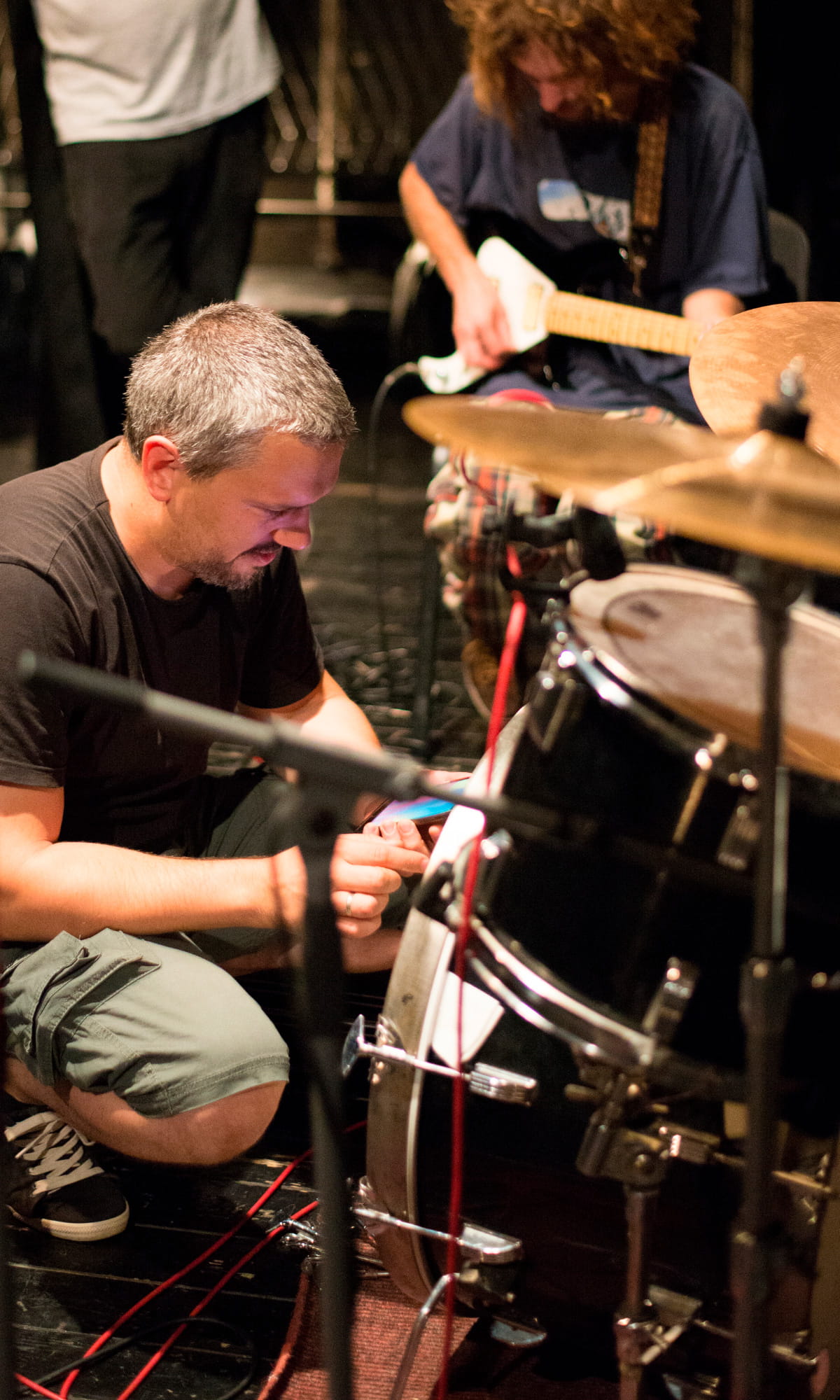
On larger projects, both roles are often present — allowing creative and technical decisions to happen simultaneously.
In smaller or independent sessions, these roles can overlap.
It’s common for:
- A producer to also engineer
- An engineer to contribute creatively
- One person to manage both roles
Even in these cases, understanding the distinction helps you communicate more effectively and get better results.
Why It Matters
Knowing the difference allows you to choose the right support for your project.
If your music is already fully developed and you need high-quality recording, an engineer may be enough.
If you want help shaping your sound, improving performances, or refining your music, working with a producer can elevate your results significantly.
In many cases, the best outcomes come from combining both perspectives.
At Studio Evermore, we bring both creative direction and technical precision together to deliver professional, release-ready recordings.