Top Recording Session Tips for Artists
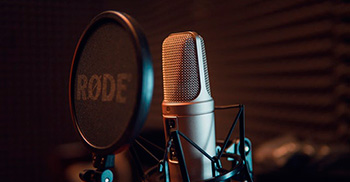
After spending long hours writing, rehearsing, and refining your songs, there comes a moment when you are ready to capture them properly in a professional environment.
That moment is the recording session.
Working in a professional studio is not just about recording sound. It is about shaping performances, making strong creative decisions, and getting the best possible result from your time and budget.
Your time in the studio should be used wisely if you want your project to sound focused, polished, and professional.
Here are some practical tips to help make your recording session in France as productive and successful as possible.
Come prepared with a clear vision

A great recording session begins before you ever arrive at the studio.
You should already have a strong sense of your songs, arrangements, tempos, and the overall sound you want to achieve.
The more prepared you are, the more your studio time can be spent capturing strong performances instead of solving avoidable problems.
You do not want to spend valuable recording time rewriting parts, debating arrangements, or doing rehearsals that could have happened beforehand.
It also helps to know what instruments, tones, and textures you want to include in the production.
From microphones to outboard gear to the feel of the room itself, every choice can influence the final result.
A producer can help guide these decisions if needed, but it is always beneficial to arrive with a clear artistic direction.
Frequent conversations with your producer or engineer before the session can make everything smoother once recording begins.
Understand the value of multi-track recording
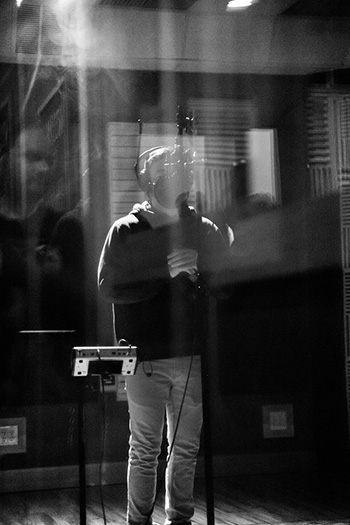
Modern music production relies heavily on multi-track recording.
This means each instrument or vocal part can be recorded separately, giving the engineer much more control during editing and mixing.
The advantage is simple: each element of the song can be shaped individually for a cleaner and more professional result.
Instead of recording the entire performance in one pass, it is often more effective to build the song layer by layer.
In many cases, the session starts with drums, followed by bass, guitars, keys, and vocals.
This approach helps everyone perform more tightly and makes it easier to refine each part as the production develops.
You may still want to capture full takes for energy and feel, but multi-tracking gives you the flexibility to punch in smaller sections if something needs to be corrected.
That way, one mistake does not force you to redo an otherwise excellent performance.
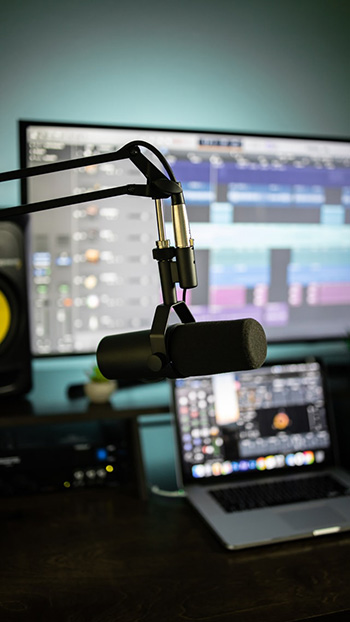
Recording separately can also help reduce microphone bleed and make the mixing process more precise later on.
For example, if one instrument leaks too heavily into another microphone, it can make editing and balancing the mix much more difficult.
Professional recording studios are designed to manage these situations efficiently and help you get strong results without unnecessary complications.
Depending on the song and style, you may choose to record live for chemistry, overdub for precision, or use a blend of both approaches.
The key is to work in a way that serves the song while keeping the process organized and productive.
Use your studio time efficiently
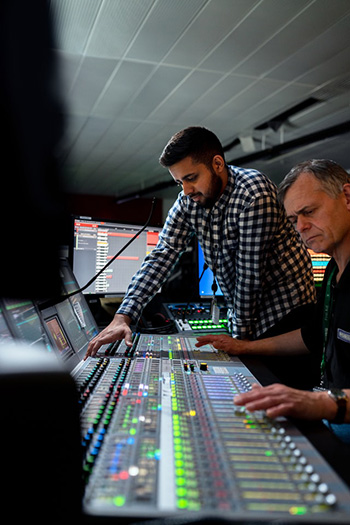
Time moves quickly in a studio, and costs can add up just as fast.
That is why efficient time management is one of the most important parts of a successful session.
You do not want to spend hours repeating takes without a clear reason or obsessing over details that have little impact on the final result.
The goal is not perfection at any cost. The goal is to capture compelling performances and maintain momentum throughout the session.
Sometimes the best take is the one with the strongest energy, not the one with the fewest microscopic flaws.
Staying organized, taking short breaks when needed, and trusting the process can help you make better creative decisions.
Good preparation before the session makes all of this much easier.
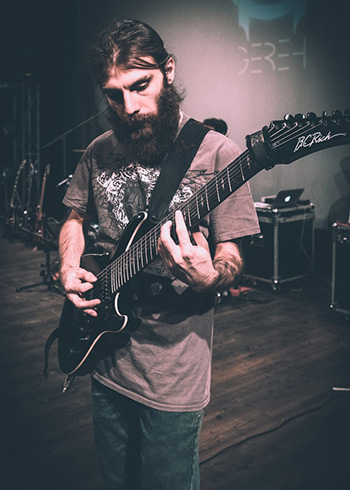
It also helps to arrive rested and ready to focus.
Long recording days can be physically and mentally demanding, especially for vocalists and drummers.
Bring what you need, stay hydrated, and pace yourself so your performances remain consistent throughout the day.
Know what happens during mixing
Once the recording is complete, the next major stage is mixing.
Mixing is where the individual elements of the song are balanced and shaped into a cohesive final production.
Tools such as EQ, compression, reverb, delay, automation, and panning are used to create clarity, depth, and impact.
The purpose of mixing is not just technical correction. It is also artistic enhancement.
A well-mixed song feels balanced, emotional, and intentional.
Your mixing engineer may ask for your feedback during this stage, but it is not always necessary for you to be present for the entire process.
What matters most is being able to communicate your priorities clearly and give focused feedback when the time comes.
Try not to get stuck on minor details that do not meaningfully affect the overall impact of the song.
Strong mixes come from perspective, trust, and attention to the elements that really matter.
Do not overlook mastering
The final step in music production is mastering.
Mastering is the stage where your final mix is prepared for release, with attention to tonal balance, loudness, consistency, and translation across different playback systems.
It is what helps a song feel complete and ready for streaming platforms, digital release, radio, or physical formats.
Some artists choose to have mixing and mastering done by different people so a fresh set of ears can evaluate the project objectively.
That extra perspective can be valuable, especially when subtle issues in the mix need to be identified before release.
Whether you master in-house or elsewhere, it is important to make sure the final result supports the tone, energy, and emotional intent of the music.
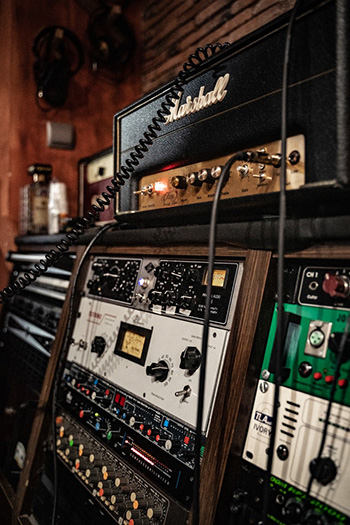
Before choosing a mastering service, it is always a good idea to listen to examples of past work.
You want to make sure their aesthetic and technical approach align with your expectations.
Budget also plays a role, of course, but the final stage of production is not the place to cut corners if quality matters to you.
Five ways to get the most out of your recording session
Whether you are recording a single, an EP, or a full album, here are five simple ways to make your session more productive and enjoyable.
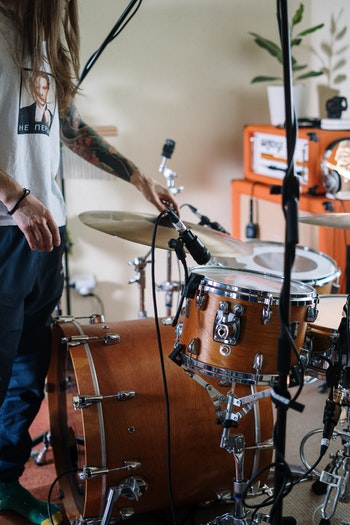
1. Set a realistic budget
Your recording budget should account for more than just tracking time.
You may also need to budget for production, editing, mixing, mastering, musicians, preparation, and revisions.
Having a realistic budget helps you make better decisions and avoid running out of time or money halfway through the project.
2. Review your demos carefully
Before the session, spend time listening critically to your demos.
Pay attention to song structure, arrangement, timing, transitions, and emotional impact.
The more issues you can identify before entering the studio, the smoother the actual recording process will be.
3. Rehearse properly beforehand
Preparation is one of the best ways to reduce wasted time in the studio.
The better rehearsed you and your band are, the fewer takes you will usually need.
That often leads to lower costs, stronger performances, and a more relaxed session overall.
4. Communicate with your engineer or producer
Good communication can make a major difference in how smoothly a session runs.
Discuss goals, references, expectations, and workflow in advance so everyone is aligned before the first take begins.
When artists and engineers are on the same page, the entire process becomes more focused and creative.
5. Avoid unnecessary distractions
A recording session works best when the environment stays focused.
Too many distractions, extra people, or constant interruptions can break momentum and reduce the quality of the work.
The studio should feel inspiring and enjoyable, but it should also support concentration and professionalism.
Final thoughts
A recording session can be one of the most rewarding parts of making music.
With the right preparation, the right environment, and the right team, it becomes much easier to turn your ideas into a finished production you are proud of.
At Studio Evermore, we work with artists who want more than a basic recording experience. We offer a professional, creative setting in France where performances can be captured with care, clarity, and attention to detail.
Contact us to discuss your next recording project.